15 year refinance rates: what to expect in today’s market
For many homeowners, 15-year loans balance lower interest with faster payoff. When rates dip, refinancing can shrink total interest dramatically while building equity quicker.
How they compare
Compared with 30-year options, 15-year rates are typically lower, but the payment is higher because the clock is shorter. Lenders price based on credit score, loan-to-value, and points; a strong profile earns the most aggressive quotes.
What to consider before locking
- Monthly payment: Can your budget handle the jump without straining cash reserves?
- Break-even time: Divide closing costs by your monthly savings to see how long it takes to benefit.
- Loan size and term: Recasting into 15 years midway through a 30 can magnify interest savings.
- Points vs. no points: Paying points can lower the rate if you’ll keep the home long enough.
- Prepay flexibility: Some borrowers keep a 30-year and pay extra; a 15-year enforces discipline.
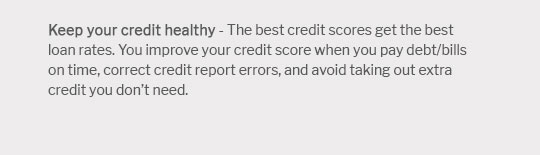
Shop at least three lenders, request written quotes same day, and ask for a rate-lock with a clear expiration. Clean up credit, reduce balances, and be ready with documents to capture the best offer.
Some related topics:
- refinance rates today
- mortgage rates
- us bank refinance rates
- u s bank mortgage rates
- bank of america refinance mortgage rates
- no closing cost refinance mortgage